"I work between the policy framework and the field reality — because the distance between them is where most of the damage happens."
Formation
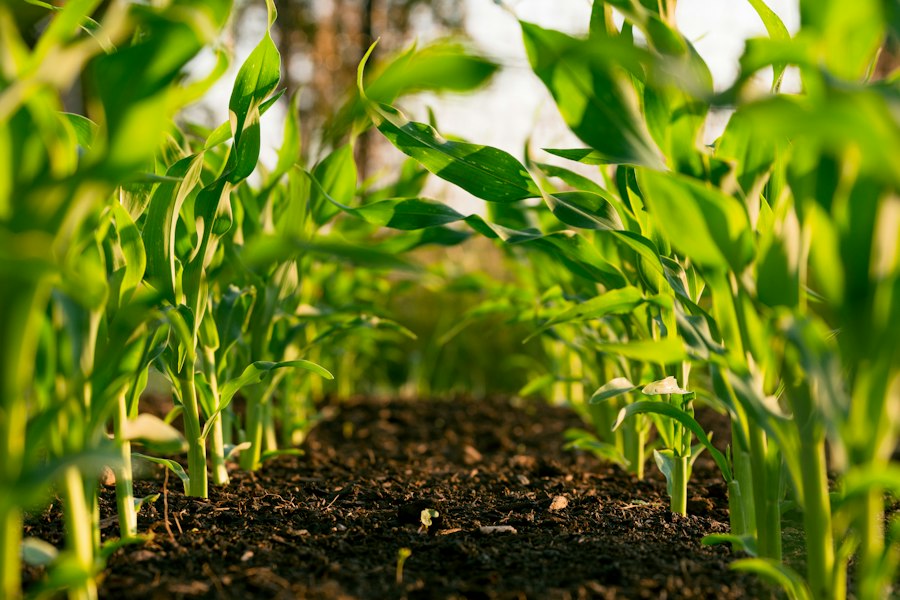
My connection to Sindh is not academic. I manage agricultural land in Khairpur — kacho plots that flood, pakka land that persists — and have spent years in direct conversation with the communities and ecologies of the Indus delta. That rootedness is inseparable from how I read a policy document or design a programme.
At the University of Essex, I studied the systems that govern these places: water allocation, climate adaptation frameworks, equity in disaster response. My MPP dissertation examined what these frameworks look like from the receiving end — in the kacho communities of Sindh who absorb the consequences of every upstream decision.
That research sits within a longer inquiry: the political ecology of the Indus, from British barrage engineering through postcolonial dam construction and the 1960 Indus Waters Treaty. How a river that sustained civilisation for five thousand years was systematically unmade — and what that means for the communities still living in its margins.
Practice
I currently serve as Program Manager at Climate Action Center Karachi, Pakistan's leading climate organisation. My work there spans resilience programming, policy engagement, and the Karachi climate agenda — including work framed around the Indus River system and its communities.
Beyond my institutional role, I co-founded Dharti Foundation Pakistan, a development NGO working in education and community advocacy in Sindh. And in 2023, I co-founded Unwind at Gharo, a cultural agritourism initiative on the Indus delta — a place built on the idea that land-based cultural practice and environmental stewardship are inseparable.
Approach
I am interested in the places where policy meets land. Where a river that is managed as an 'asset' has to be lived in as a home. Where climate adaptation as a concept becomes a decision made in a village about whether to plant or leave.
My approach is to hold both registers at once — the systemic and the specific, the global framework and the local condition — and to build programmes, research, and institutions that can survive contact with that complexity.
I write in English and Urdu, translate from Sindhi, and believe the most durable solutions to Sindh's climate crisis will come from people who understand the river as intimately as they understand the policy frameworks that govern it.
 Khairpur, Sindh